
At 2wcom, many of our ideas don’t start in marketing meetings. They start in conversations between engineers, customers, and real-world broadcast workflows.
One topic that has come up more and more over the past months is Dante.
Not just interoperability with Dante networks, but native Dante integration, built directly into our hardware.
Today, our products already support AES67, Livewire, and Ravenna, enabling interoperability with Dante networks and many other AoIP ecosystems. In practice, however, Dante-native workflows are often simply smoother in daily operation, especially in Dante-centric environments.
That led to an internal question:
What would it take to bring native Dante support to 2wcom devices without compromising our core value of open interoperability?
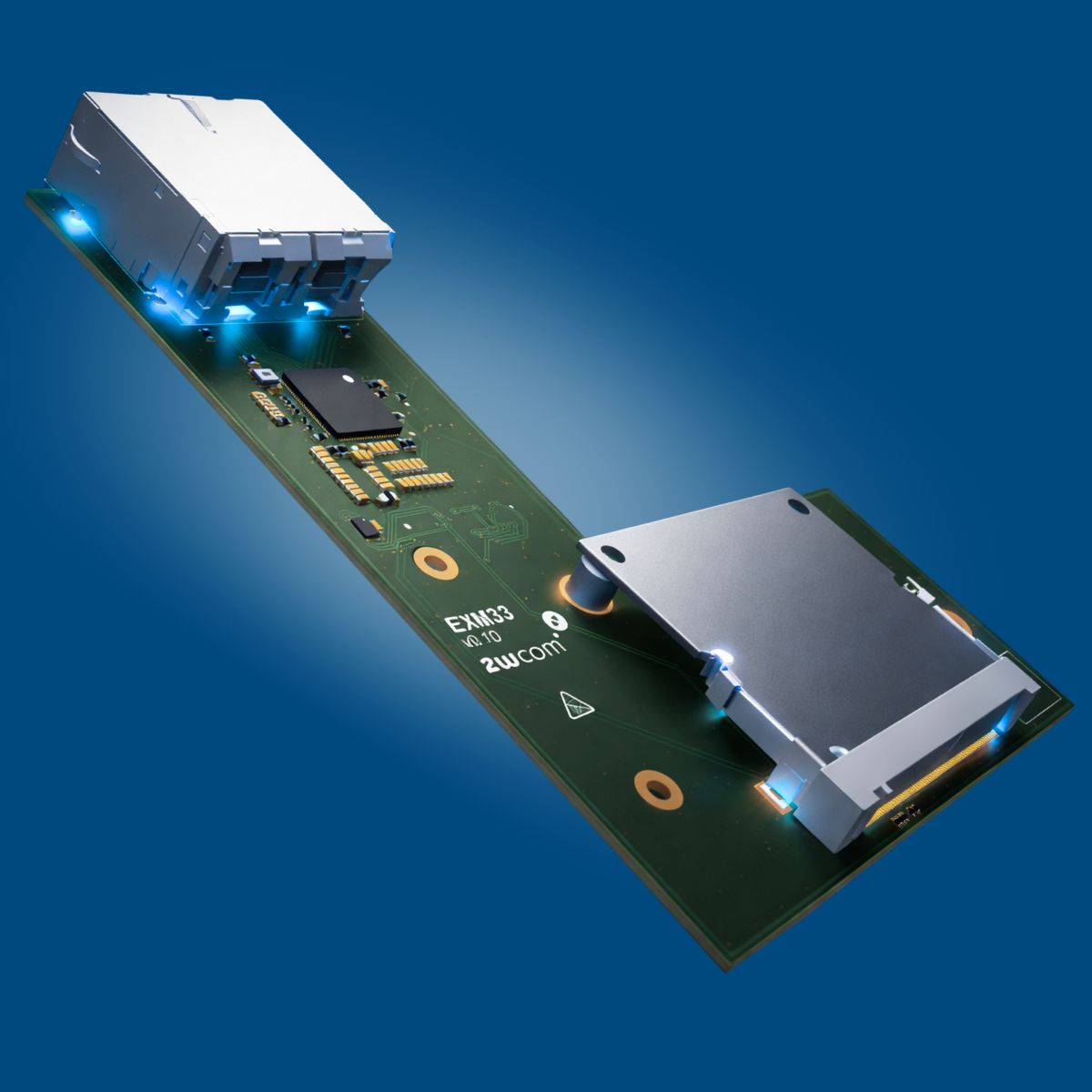
The answer we’re currently working on is a native Dante hardware module, developed as an optional extension for the IP-4c.
The module is currently under active development. More details will follow as we move closer to release, but for now, we wanted to share a first glimpse into what’s happening in our lab and open the conversation with broadcasters and integrators who are interested in where this is going.
If you’d like to be part of that conversation, feel free to register your interest below.